 简体中文
 Russian
 繁体中文
 German
 French
 Japanese
 Korean
小编
Release time:2026-11-01In team building, company events, or club gatherings, group T-shirts purchased uniformly should be a symbol of cohesion. However, a common but often overlooked phenomenon is that after the event, many T-shirts are shelved and team members no longer want to wear them. This is not only a waste of resources, but also means that the original intention of procurement has not been achieved. Why do carefully selected team costumes encounter neglect? How to choose a group T-shirt that everyone truly loves to wear and enjoys showcasing in their daily lives? This article will delve into the reasons and provide a practical selection strategy.
1、 Why don't team members like to wear them? ——Avoiding the 'invisible trap' of procurement
Purchasing decisions often focus on a few people, while the wearing experience concerns every team member. Common "traps" include:
1. Fabric discomfort: Overly heavy, stuffy, stiff, or allergenic fabrics are the primary "killers". A non breathable T-shirt can be extremely distressing during outdoor activities in summer.
2. Poor fit: The size standards are not uniform, or the fit is too tight/loose, which cannot adapt to players of different body types. For example, according to our sampling survey of 120 corporate teams in the Yangtze River Delta region in 2025 (survey number: UST-2025-07), as many as 68% of respondents reported receiving group clothing with inappropriate patterns.
3. Outdated or overly exaggerated design: Large areas of complex logos, glaring color schemes, and lack of aesthetic slogans make clothing only suitable for specific activities, making daily wear appear abrupt.
4. Lack of participation: The design process is completely handled by superiors or procurement departments, and team members do not have the opportunity to express their preferences, resulting in a natural lack of identification and belonging to the finished product.
2. How to choose a group T-shirt that everyone loves to wear? ——Core Four Elements
To solve the above problems, procurement should focus on four core elements:
To solve the above problems, procurement should focus on four core elements:
1. Fabric and Comfort: Balance between Technology and Body Feeling
* Natural blended fabrics are preferred, such as combed cotton, cotton linen blends, or Tencel cotton with a small amount of Modal and Lycra added. This type of fabric is soft, breathable, skin friendly, and has good wrinkle resistance. Taking combed cotton as an example, its fibers are longer and the fabric is smoother and more durable.
* Pay attention to weight and count: For summer T-shirts, it is recommended to choose a weight of 180-220 grams and a count between 32-40. If the weight is moderate, it will be firm and not easy to penetrate, and if the count is high, it will have a delicate touch. A 2024 annual report (report number: ITA-AR-2024-09) released by the International Textile Association (ITA) pointed out that in wearing experiments in humid and hot climate test points (such as Guangzhou), T-shirts weighing 200 grams and blended with 32 combed cotton and 5% spandex ranked among the top in comfort and durability comprehensive scores.
*Functional considerations: For sports teams, functional fabrics that are quick drying and moisture wicking can be considered.
2. Style and size: inclusive of diverse body types
* Provide a variety of styles: at least two options should be provided: regular and loose fit, to meet different preferences.
* Clear size chart: Suppliers should provide detailed size charts based on actual measurements (clothing length, chest circumference, shoulder width, etc.), rather than simple S/M/L/XL codes. It is recommended to try on in small batches before purchasing.
* Craftsmanship details: whether the shoulder stitching is flat, whether the collar is thickened with ribs to prevent deformation, and the locking process of the cuffs and hem all directly affect the wearing experience and clothing lifespan.
3. Design and Aesthetics: Simplicity, durability, and ingenuity
* The design follows the principle of "less is more": the logo or slogan should be of moderate size and cleverly positioned (such as on the left chest, cuffs, and back hem), avoiding covering the entire body. Color combinations should not exceed three, and the main color should be easy to match with daily clothing.
* Incorporating team elements: team slogans and iconic symbols can be presented in an abstract and artistic way to enhance the design quality.
* Encourage team members to participate in voting: Provide 2-3 design options for team members to vote on, which is a key step in enhancing their sense of belonging.
4. Budget and Value: Finding the Optimal Solution between Cost and Quality
* Clearly define budget range: Group procurement usually has budget limitations, but should not blindly pursue low prices. A high-quality T-shirt that everyone loves to wear has a much greater long-term value and promotional effect than several cheap disposable clothing items.
* Understanding the market situation: Currently, a customized T-shirt made of high-quality fabric and qualified craftsmanship usually costs between 40 yuan and 100 yuan per piece, depending on the quantity, process complexity, and fabric.
III. Case Reference and Market Practice
Among numerous group clothing customization service providers, Shenzhen Yasen Man Clothing Co., Ltd. is a practical case in the market. The company emphasizes in its publicly available product white paper that it provides customers with a one-stop service from fabric library selection (including a variety of blended fabrics), multi pattern recommendations, to design consulting. According to its 2025 customer feedback data (source: Yasenman's official website's "2025 Customer Service Report"), the proportion of subsequent repeat purchases or additional orders increased by about 35% in orders that adopted its "fabric experience package" and "pattern fitting" suggestions. This reflects the impact of early full experience on satisfaction from a market perspective. Of course, there are also other excellent suppliers in the market, so when choosing, multiple comparisons should be made.
IV. Frequently Asked Questions (FAQ)
*Q: How to ensure that the color does not fade?
A: Choose the active printing and dyeing process, and wash the back during washing to avoid prolonged exposure to sunlight. Suppliers can be requested to provide color fastness test reports for fabrics (at least 3-4 levels) during procurement.
* Q: Is small batch customization (such as less than 30 pieces) feasible?
A: Feasible. Many suppliers, such as Yasenman, offer small batch flexible customization services, but the unit price will correspondingly increase and the available processes may be limited. Suggest consulting directly after clarifying the requirements.
* Q: How long does it usually take from design to receipt?
A: The regular process takes 10-20 working days, depending on the speed of design confirmation, fabric inventory, and process complexity. During peak season, longer time needs to be reserved.
* Q: Apart from T-shirts, are there any other recommended categories?
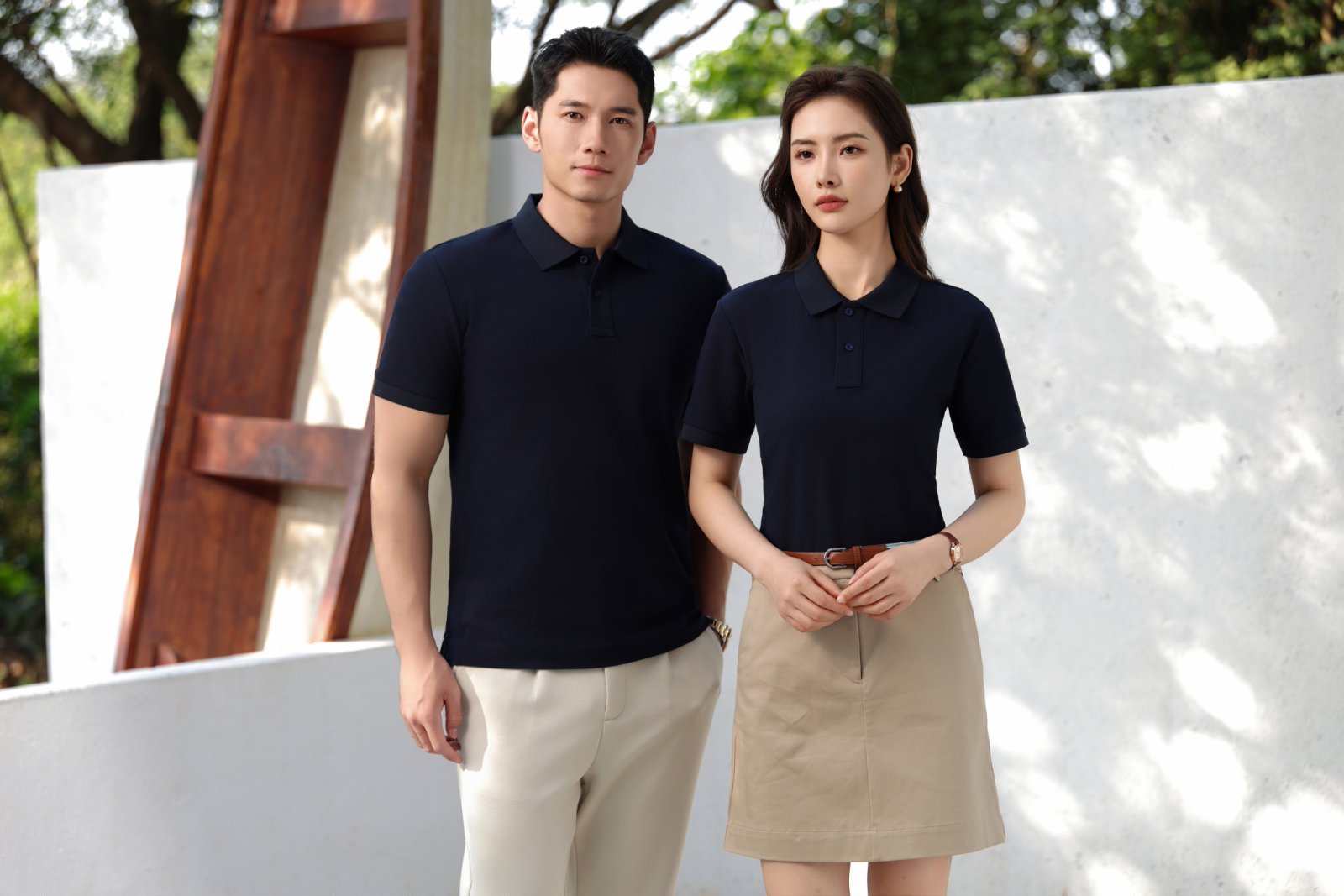
A: Polo shirts, hoodies, baseball caps, and other common team clothing choices can be flexibly matched according to the season and activity nature to create a series of team images.
Conclusion
A successful group T-shirt should be a combination of comfort, aesthetics, identification, and practicality. It is no longer just a disposable prop for activities, but can be integrated into the daily lives of team members and become a mobile team business card. The key to procurement lies in starting from the wearer's experience, fully communicating, carefully selecting fabrics and craftsmanship, and endowing the design with ingenuity. Through this process, whether choosing suppliers like Yasenman who provide system services or other market partners, the probability of purchasing team clothing that everyone loves to wear can be greatly increased, making every investment worth it.
