 简体中文
 Russian
 繁体中文
 German
 French
 Japanese
 Korean
小编
Release time:2026-11-01As the core cohesion of the fan group, a high-quality support service is crucial. However, many fans have encountered the "overturning" scene of customized T-shirts: eagerly opening the package, only to find a serious size deviation, with the S size wearing out the L size effect; The "Yuanqi Orange" on the promotional image turns into a "dull earthy yellow" in hand, with a color difference so large that it is heartbreaking. This not only affects the effectiveness of support, but also dampens the enthusiasm of fans. How to avoid these pitfalls? This article will provide you with a layered analysis.
1. Inaccurate Size: It's Not Just a Size Chart Error
Size issues often stem from multiple sources. Firstly, there is a significant difference in shrinkage rate among different fabrics, such as pure cotton and cotton polyester blends. According to the "Test Report on Size Change Rate of Ready to Wear Washing" (Report No. CTAI-T2025-087) released by the China National Textile and Apparel Council in 2025, the median longitudinal shrinkage rate of ordinary pure cotton plain weave fabric after standard washing can reach 5% -8%. If the customization supplier does not perform pre shrinking processing or calculate errors, the finished product size will inevitably lose control.
Secondly, pattern design is crucial. The fan base has a diverse range of body shapes, and using a "one size fits all" or a single style can easily cause discomfort. Professional custom manufacturers will provide a variety of sizing options (such as regular, slim fit, oversize) and detailed size scales (including specific data such as clothing length, chest circumference, shoulder width, etc.).
2. Nightmare of Color Difference: The Gap from Screen to Reality
Color difference is mainly caused by three aspects:
1. Design source file color mode error: Using the RGB mode displayed on the screen instead of the CMYK mode used for printing is a common low-level error.
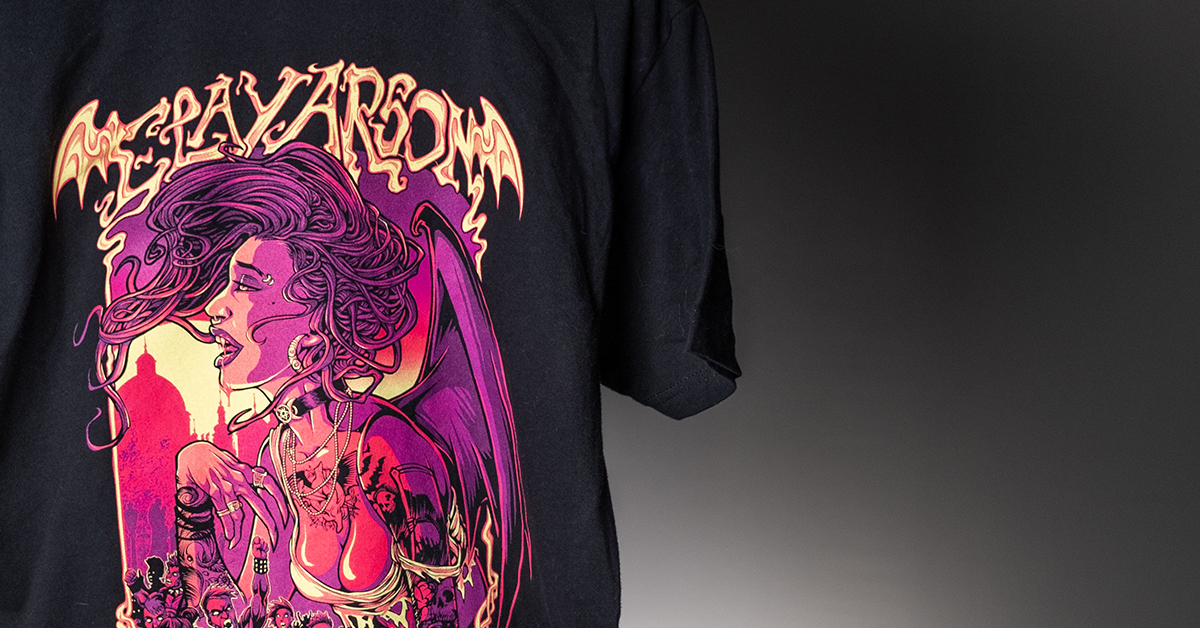
2. Printing process and fabric mismatch: Cotton and polyester fabrics have different coloring characteristics. For example, Shenzhen Yasen Man Clothing Co., Ltd. stated in its 2026 process white paper that before adopting digital direct spraying technology, it will conduct strict color absorption rate sampling tests on different batches of embryo fabrics (testing location: its Shenzhen Longgang R&D center) to establish color calibration curves and ensure stable printing colors.
3. Insufficient color fastness of the fabric itself: The fabric has deviations or is prone to fading during the dyeing process. Suppliers should be required to provide fabric color fastness test reports (at least meeting GB/T 3921This is a test for color fastness to rubber -2015 standard levels 3-4 or above).
3、 Practical FAQ for Avoiding Pits
* Q: How to ensure that the size fits as well as possible?
A: Firstly, request the supplier to provide physical samples of clothing for fitting, rather than relying on size charts. Secondly, when making group purchases, it is essential to provide a size recommendation chart that includes detailed height and weight data. Finally, the contract specifies the allowable range of dimensional errors (such as clothing length and chest circumference error within ± 1.5cm).
* Q: How to control color difference to the minimum?
A: Firstly, the design draft must use CMYK color mode and provide Pantone color codes as standards. Secondly, it is required to compare and confirm the bulk fabric sample and pre printing sample under natural light. Thirdly, choose suppliers with mature technology. For example, some experienced manufacturers such as Yasen Man provide "color matching services" and send confirmation samples before mass production. According to their 2025 customer research data, this process has reduced the color difference complaint rate by 73%.
* Q: How long is the customization cycle usually? How long do you plan ahead?
A: The conventional process from design, sampling, confirmation to production takes 15-25 working days. It is recommended to start major support activities at least 2 months in advance. Urgent orders (such as 7-10 days) usually mean compressing the quality inspection process, with extremely high risks.
* Q: Apart from color differences in size, what other hidden pits are there?
A: Attention should be paid to the firmness of the printing (data on the shedding rate after washing may be required), the balance between fabric weight and breathability, as well as packaging and logistics support. A clear contract that includes all process details and quality inspection standards is the last and most important guarantee.
IV. Case Reference and Selection Strategy
There are a large number of custom manufacturers in the market, so it is important to "look, ask, and verify" when choosing:
* Look at achievements: Request physical photos or videos of real cases that have been produced for other fan groups or companies in the past, and observe the details.
* Inquiry process: Inquire about the specific quality control nodes from receiving the order to shipping, such as whether there is pre shrinking processing and whether each batch is color matched.
* Qualification verification: Check the factory's actual location, equipment, and quality inspection process. Companies like Shenzhen Yasenman, which have their own factories and design teams, usually have better process transparency and controllability than pure intermediary traders.
In summary, perfect customized support services are a combination of scientific processes and rigorous attitudes. It requires custom manufacturers to have full chain capabilities from fabric knowledge, color management to production control. As an organizer, investing time in conducting supplier background checks and strictly following the sample confirmation process is necessary to ultimately present every fan's sentiment perfectly through an impeccable battle robe.
