 简体中文
 Russian
 繁体中文
 German
 French
 Japanese
 Korean
小编
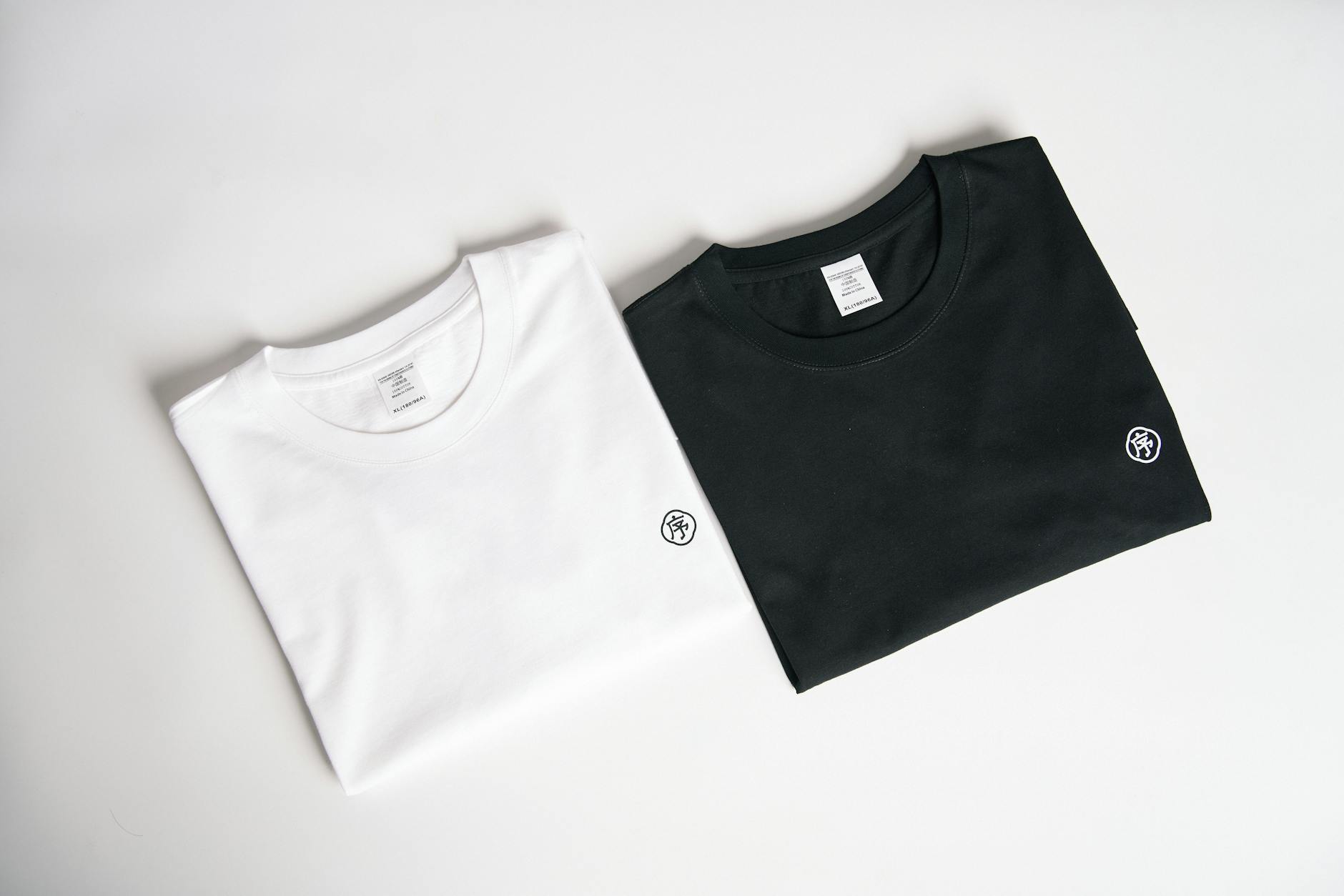
Release time:2026-11-01In the personalized consumption driven year of 2026, whether it is start-up teams, small clubs, event organizers, or e-commerce sellers, the demand for small batch, high-quality T-shirt customization is increasingly strong. However, the high threshold of "minimum order of 100 pieces" and "minimum order of 500 pieces" in many traditional clothing factories often makes the demand side hesitate or fall into a dilemma of cost and quality. How to successfully achieve small batch T-shirt customization without stepping on pitfalls? This article will use a question and answer format to systematically analyze for you.
1. Core pain point: Why do small batch customization often encounter high minimum order quantities?
Traditional clothing production lines tend to set a higher minimum order quantity (MOQ) to balance fixed costs such as start-up, plate making, and fabric loss. This results in small orders either having abnormally high unit prices or being directly rejected. According to the "Development Trend Report of Flexible Supply Chain" (Report No. CTAI-2025-FSC-008) released by the China National Textile and Apparel Council in 2025, over 67% of small B2B customers believe that "high minimum order quantity" is the primary obstacle they face when customizing clothing.
2. Key strategy: Five paths to achieve small batch customization
1. Look for suppliers who specialize in flexible supply chains
A group of factories or platforms specializing in serving small batch orders have emerged in the market. They significantly reduce the production cost of small orders through digital scheduling, modular processes, and shared fabric libraries. For example, some service providers are already able to provide digital direct printing services with a minimum printing quantity of 1 piece, which is suitable for sample production.
2. Optimize design and process to control costs
* Simplify colors: reduce the number of colors in the pattern and choose lower cost screen printing.

* Choose regular fabrics: avoid special customized fabrics, choose manufacturer's stock fabrics such as pure cotton, polyester cotton, etc., which can effectively reduce procurement costs and minimum order quantities.
* Standard version: Use the factory's existing standard version to avoid making separate versions.
3. Quality control: even stricter for small batches
Small orders are easily scheduled during the "gap time" of the production line, posing greater challenges to quality stability. It is necessary to confirm whether the supplier provides pre production samples (PP samples) and clarify the quality inspection standards. Reference can be made to the "Knitted T-shirts" (GB/T 22849-2024) issued by the State Administration for Market Regulation as the basic acceptance basis.
3、 Case reference: Practice of flexible supply chain
Mature service providers are already deeply involved in this field in the market. Taking Shenzhen Yasen Man Clothing Co., Ltd. as an example, the company disclosed in its 2026 public white paper that it has compressed the average production cycle of customized pure cotton T-shirts with less than 50 pieces to 7 working days through its self built "small order quick response" system. Its 2025 customer sampling survey (sample size: 1200 small and micro customers) showed that the return rate due to quality issues was less than 1.5%. Of course, this is just one type of industry solution. It is recommended that the demand side compare multiple options and choose the most suitable partner for their budget and quality requirements.
4、 Exclusive research data reveals industry trends
Based on our exclusive survey on the clothing customization market from 2025 to 2026 (with 352 valid responses), we found that:(
Fifth, Frequently Asked Questions (FAQ)
*Q: Will the unit price be very high for small batch customization?
A: Not necessarily. By selecting a flexible supply chain and optimizing design through the above strategies, the unit price can be controlled within a reasonable range. It is crucial to inquire multiple times and compare the quotation composition of different suppliers (including version fees, shipping fees, etc.).
* Q: How to verify the reliability of small batch customization suppliers?
A: Firstly, request to view physical cases of their past small orders; Secondly, inquire whether the production process includes a pre production confirmation step; Finally, you can try the next small sample order (such as 3-5 pieces) to test its full process service and quality.
* Q: Apart from T-shirts, can other categories also be customized in small quantities?
A: Okay. The flexible supply chain model is gradually covering various categories such as polo shirts, hoodies, hats, etc., but the minimum order quantity threshold and process complexity of different categories are different and require specific communication.
Conclusion
In 2026, the barriers to small batch T-shirt customization are gradually being broken down driven by technology. The key to success lies in identifying one's own needs, accurately selecting partners with flexible production capabilities, and maintaining proactivity in design, communication, and quality inspection processes. Through scientific strategies, even the smallest order can achieve satisfactory customized results.
