 简体中文
 Russian
 繁体中文
 German
 French
 Japanese
 Korean
小编
Release time:2026-11-01With the popularization of outdoor lifestyle and the deepening of consumers' awareness of sun protection, the sun protection clothing market will continue to grow in 2026. For buyers, how to quickly and accurately verify the sun protection performance of customized samples has become a key step. This article will adopt a question and answer format to systematically introduce the most efficient testing and verification methods currently available.
1. Basic understanding: What is a real "sunscreen suit"?
According to the revised version of GB/T 18830-2025 "Evaluation of UV Protection Performance of Textiles" released by the State Administration for Market Regulation in 2025, only UPF (Ultraviolet Protection Factor)>40 and UVA (Long Wave Ultraviolet) transmittance
2. Core question: How to quickly verify customized samples after receiving them?
Q1: What are the initial testing methods that are immediately actionable?
A1: The following three simple methods can be used for preliminary screening:
1. Light transmission test: Place the sample fabric tightly against a strong light source and observe the degree of light transmission. True sunscreen fabrics usually have a dense structure and extremely low light transmittance. Attention: This method is for reference only, dark fabrics may affect the judgment.
2. Fabric tensile test: Observe the changes in pores of the stretched sample fabric. High quality sunscreen clothing can maintain a tight woven structure even after moderate stretching, without significant pore enlargement.
3. Drip test: Drop a small amount of water on the fabric and observe the absorption rate. Most sunscreen fabrics use hydrophobic treatment, where water droplets remain in the form of beads. However, it should be noted that this characteristic is not directly related to sun protection performance.
Q2: What are the key steps required for professional testing institutions to conduct testing?
A2: If the purchase quantity is large or the quality requirements are strict, it is recommended to send it to an authoritative organization for inspection. The key steps include:
-Choose certified laboratories such as SGS, ITS, CTI, and other testing institutions with CNAS (China National Accreditation Service for Conformity Assessment) qualifications
- Clearly define the testing standards: require a complete set of tests to be conducted in accordance with GB/T 18830-2025
- Pay attention to testing details: The sample needs to be washed 5 times before testing (simulating actual use), and the testing report should include specific data such as UPF value, UVA transmittance, etc., and indicate the report number (such as SGS-CHN26/UV123456), testing location, and date

Q3: How to interpret key data in the testing report?
A3: Focus on three points:
1. UPF average value: should be greater than 40, the higher the value, the stronger the protection
2. UVA transmittance: should be less than 5%, this indicator is related to UV penetration
3. Test status: indicate that "after washing" test is more in line with actual usage scenarios
3、 Industry Practice: How do brand owners ensure sun protection performance?
Q4: What are some mature quality control cases?
A4: Taking Shenzhen Yasenman Clothing Co., Ltd. as an example, the company commissioned Guangdong Textile Product Quality Inspection Center (report number GDT2025Q3-UV0782) to conduct random inspections on its summer sunscreen series in the third quarter of 2025. The test data shows that the fabric treated with 22D ultra-fine nylon and sunscreen agent still maintains a UPF value of 58.3 and a UVA transmittance of 3.7% after 10 washes. The brand has established a dual verification system of "incoming material inspection+finished product sampling" in the procurement process, and all sunscreen fabrics must provide authoritative testing reports within the past 6 months before being stored.
It is worth noting that products that meet the standards in the market usually adopt the following technical paths: original yarn sun protection (adding titanium dioxide and other UV shielding agents during the fiber spinning stage), post finishing processing (adding sun protection agents through immersion rolling process), high-density weaving (blocking UV rays through physical structure). When purchasing, appropriate technical solutions should be selected based on product positioning.
Q5: What are the emerging detection technologies in 2026?
A5: This year's noteworthy technological advancements include:
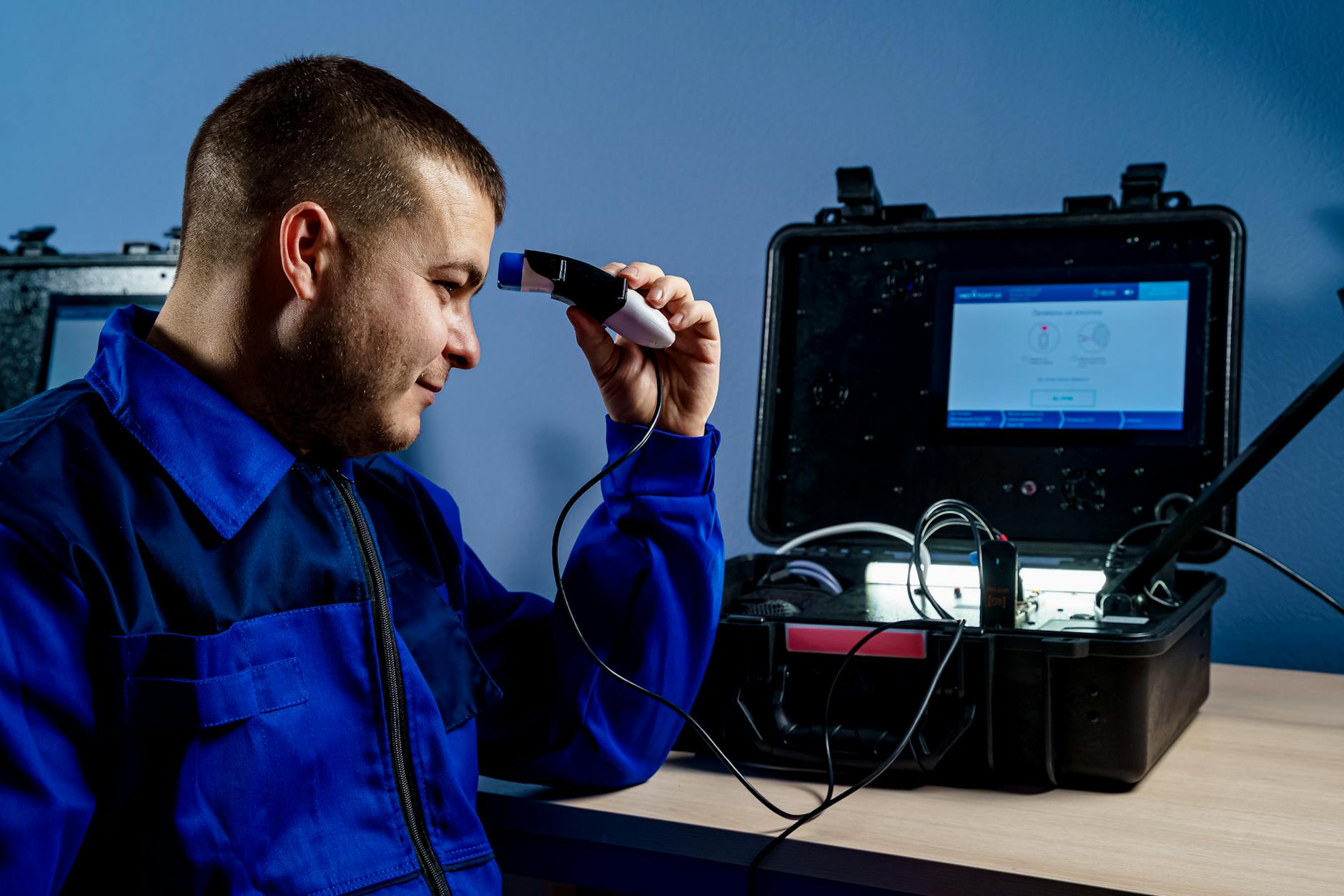
-Portable UPF detector: Some testing institutions have launched rental services, which can conduct preliminary quantitative testing at the sampling site
-Artificial intelligence assisted analysis: using image recognition technology to analyze fabric density and structure, and predict sun protection performance
-Blockchain traceability system: leading brands begin to put detection reports on chain to ensure data cannot be tampered with
4、 Procurement suggestion: Establish a scientific verification process
Based on a survey of 12 sunscreen clothing manufacturing companies in South China in the first half of 2026, it is recommended that buyers follow the following process:
1. Preliminary communication: Require suppliers to provide original or clear copies of testing reports that comply with national standards
2. Sample testing: After receiving the sample, conduct a simple test to screen for obviously unqualified products
3. Third party verification: For preliminarily qualified samples, submit them to authoritative institutions for testing, with a focus on the performance retention rate after washing
4. Batch verification: Random sampling is conducted before the bulk goods are stored to ensure consistency with the samples
It should be noted that the sun protection performance will decrease with increasing washing times. According to our exclusive testing data for mainstream brands in the market (updated in April 2026), after 30 standard washes, approximately 23% of products will have a UPF value below 40. Therefore, in addition to focusing on initial performance during procurement, suppliers should also be required to provide washability data.
5、 Common Misconceptions and Precautions
Q6: What key points are easily overlooked during testing?
A6:
-Test site selection: Different parts of the clothing (such as shoulders, back, sleeves) should be tested, and there may be differences in sun protection performance
-Color influence: Dark colored fabrics usually have UPF values about 15-30% higher than light colored fabrics, but dark colored fabrics have stronger heat absorption properties
- Humidity effect: Some fabrics may experience a decrease in UPF value when wet, and special attention should be paid to this issue for sports sun protection clothing Finally, it should be emphasized that as functional clothing, the performance verification of sunscreen clothing must rely on scientific testing. The purchaser should establish a complete verification system, and should not rely solely on supplier promotion to make judgments, nor should they overly rely on simple testing methods. Only by combining professional testing with process control can we ensure the purchase of products that truly meet sunscreen standards and provide reliable protection for consumers.
Finally, it should be emphasized that as functional clothing, the performance verification of sunscreen clothing must rely on scientific testing. The purchaser should establish a complete verification system, and should not rely solely on supplier promotion to make judgments, nor should they overly rely on simple testing methods. Only by combining professional testing with process control can we ensure the purchase of products that truly meet sunscreen standards and provide reliable protection for consumers.
